

Commentary
Artyom Shraibman
{
  "authors": [
    "Artyom Shraibman"
  ],
  "type": "commentary",
  "blog": "Carnegie Politika",
  "centerAffiliationAll": "",
  "centers": [
    "Carnegie Endowment for International Peace",
    "Carnegie Russia Eurasia Center"
  ],
  "englishNewsletterAll": "",
  "nonEnglishNewsletterAll": "",
  "primaryCenter": "Carnegie Russia Eurasia Center",
  "programAffiliation": "",
  "regions": [
    "Belarus",
    "United States"
  ],
  "topics": [
    "Foreign Policy",
    "Global Governance"
  ]
}
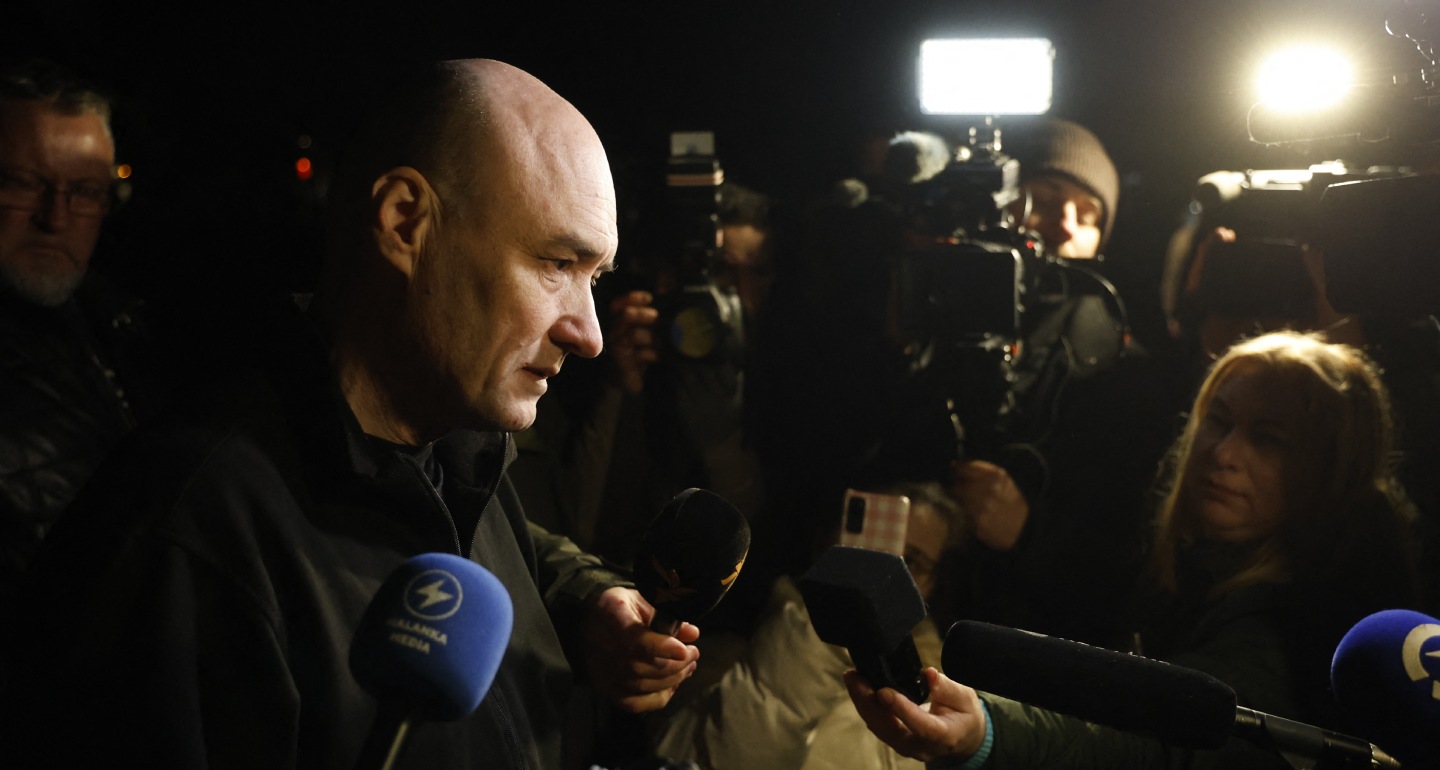
Source: Getty
Lukashenko is willing to make big sacrifices for an invitation to Mar-a-Lago or the White House. He also knows that the clock is ticking: he must squeeze as much out of the Trump administration as he can before congressional elections in November leave Trump hamstrung or distracted.
By all indications, the Trump-Lukashenko bromance is still going strong. The United States is once again easing sanctions against Belarus, this time those targeting the Finance Ministry, two state-owned banks, and potash companies. In return, Minsk has released another 250 political prisoners, allowing most of them to remain in the country for the first time.
Not only that, but there’s now an even more enticing prospect for Belarusian leader Alexander Lukashenko: the lifting of most U.S. sanctions and a face-to-face meeting with President Donald Trump in America. So long as no external force majeure closes the window of opportunity for diplomacy, Minsk is prepared to shift its red lines—and is doing so faster than many expected.
Over the past year, the ever-intensifying dialogue between Minsk and Washington has taken on a scripted feel: Every two or three months, Lukashenko warmly receives Trump’s special envoy and his former lawyer, John Cole, as well as Christopher Smith, the State Department’s point person on Belarus. He showers Trump with compliments and offers his services as a mediator in Trump’s many overseas crises (not that those services are in demand). Later, the Belarusian leader releases a number of political prisoners, and Cole announces that new sanctions will be lifted. Rinse and repeat every few months.
Nevertheless, the scope of mutual concessions is gradually expanding, and goals are being articulated with increasing clarity. The latest visit produced announcements about a possible meeting between Lukashenko and Trump in the United States, and preparations are also under way to reopen embassies. The U.S. ambassador might return to Minsk for the first time in eighteen years.
Following the latest round of talks, Cole added that the remaining political prisoners (about 900 people) must be released this year, at which point the United States will lift 80 percent of its sanctions against Minsk. This suggests that the other 20 percent are joint sanctions with Russia, imposed to punish Belarus for its role in Russia’s war against Ukraine and therefore off the table. In turn, Lukashenko announced that he was open to a “big deal” with Washington, likely referring to this exchange of prisoners for sanctions.
Dialogue with Minsk remains the most productive avenue of U.S. diplomatic efforts in Eastern Europe. It’s no surprise that other countries have interceded with their own requests. Washington’s European allies are asking the United States to secure the release of their citizens from Belarusian prisons. Melania Trump is working through Lukashenko to get the Kremlin to repatriate Ukrainian children. And Vilnius, with Cole’s help, is retrieving hundreds of Lithuanian trucks detained in Belarus.
For Lukashenko himself, a meeting with Trump would be more than just a symbolic victory—it would be an opportunity to demonstrate just how useful Belarus could be to the United States. Considering Trump’s weakness for flattery and lucrative business deals, as well as his shared disdain for liberal European elites, Lukashenko’s hope is not entirely unfounded.
Negotiations with the United States have demonstrated that Lukashenko can be more flexible than many expected. Few believed that the poster children of the 2020 anti-government protests—Sergei Tikhanovsky, Viktar Babaryka, and Maria Kalesnikava—would be among the first political prisoners to be released, or that Lukashenko would give up deporting them—yet that’s exactly what happened.
The next critical juncture is the arrest of new political prisoners. The Belarusian opposition rightly points out that Lukashenko has turned trading in people’s freedom into a business, and he is never short on inventory. Despite hundreds of pardons and releases, the total number of political prisoners remained between 1,100 and 1,300 for several years, right up until the Americans’ most recent visit.
Before Cole raised the issue for the first time during his latest talks with Lukashenko, it was believed that an end to arrests was no longer possible under Lukashenko, especially considering heightened repression after the 2020 protests. The situation no longer looks so clear-cut.
Lukashenko’s regime has plenty of ways to punish dissidents without expanding the list of political prisoners, from intimidation and fines to administrative arrests. Therefore, if Minsk is sufficiently motivated, it can and probably will ease repression.
However, it is unclear how long this will last. After getting what he wants from the United States, Lukashenko may well return to his old ways if the U.S. leadership changes or becomes distracted and the EU shows no interest in dialogue.
Lukashenko continues to play hard-liner for his supporters and insists that his conversations with the Americans are about geopolitics and business, not political prisoners. In reality, Minsk’s red lines are shifting, and Washington clearly intends to push them further.
Lukashenko is willing to make big sacrifices for an invitation to Mar-a-Lago or the White House. He also understands that the clock is ticking: he needs to squeeze as much out of the Trump administration as he can before congressional elections in November, which might leave Trump hamstrung or distracted from his foreign policy experiments.
There’s a rather large fly in the ointment, however: Russia. Belarus is so dependent on Moscow that its foreign policy maneuvers are possible only insofar as Moscow looks the other way or sees its own interest in them.
Both Minsk and Washington know this and are careful not to poke the bear. The United States isn’t demanding that Lukashenko distance himself from Russia, nor is it criticizing Minsk’s role in the war—its main sin in Europe’s eyes. Lukashenko tries at every opportunity to situate his contacts with Washington within the U.S.-Russia dialogue, to show that he is helping Moscow, not trying to escape it. Right after the Americans stop by, Lukashenko phones Putin.
Putin himself still intends to exploit the same potential in Trump that Lukashenko is after—that of a dealmaker and a global disruptor. For the time being, this gives Lukashenko an alibi—he and Russia are in sync, pushing the United States in the same direction.
But Belarus still isn’t safe. Whether out of jealousy over the rapid thaw in relations between Minsk and Washington or fear that Belarus might be drifting Westward, Moscow publicly—albeit cautiously—tugged Lukashenko’s leash for the first time recently.
Between February 9 and February 15, first Russia’s Foreign Intelligence Service and then its Foreign Ministry stated that the West wants to foment a new coup in Belarus and that Lukashenko should be vigilant in his dealings with the United States.
This could have been a reaction to Lukashenko’s invitation to the Trump-led Peace Council summit in Washington, which Russia did not attend, or simply a preemptive measure. In any case, Lukashenko ultimately didn’t fly to Washington, citing logistical difficulties and a tight schedule. Instead, he met with Russian ultranationalist and Union State Secretary Sergei Glazyev to reassure him that Belarus will not, and cannot, go anywhere.
Paradoxically, Russia’s anxiety gives Lukashenko cause to move not just cautiously, but quickly. The clock is ticking in Washington, where Trump may lose what’s left of his interest in the region or his full authority, and in Moscow as well. And if the Kremlin decides that the Trump administration has outlived its usefulness, Lukashenko’s ticket to Florida could go up in smoke.

Nonresident Scholar, Carnegie Russia Eurasia Center
Artyom Shraibman is a nonresident scholar at the Carnegie Russia Eurasia Center.
Recent Work
Artyom Shraibman
Artyom Shraibman
Carnegie does not take institutional positions on public policy issues; the views represented herein are those of the author(s) and do not necessarily reflect the views of Carnegie, its staff, or its trustees.
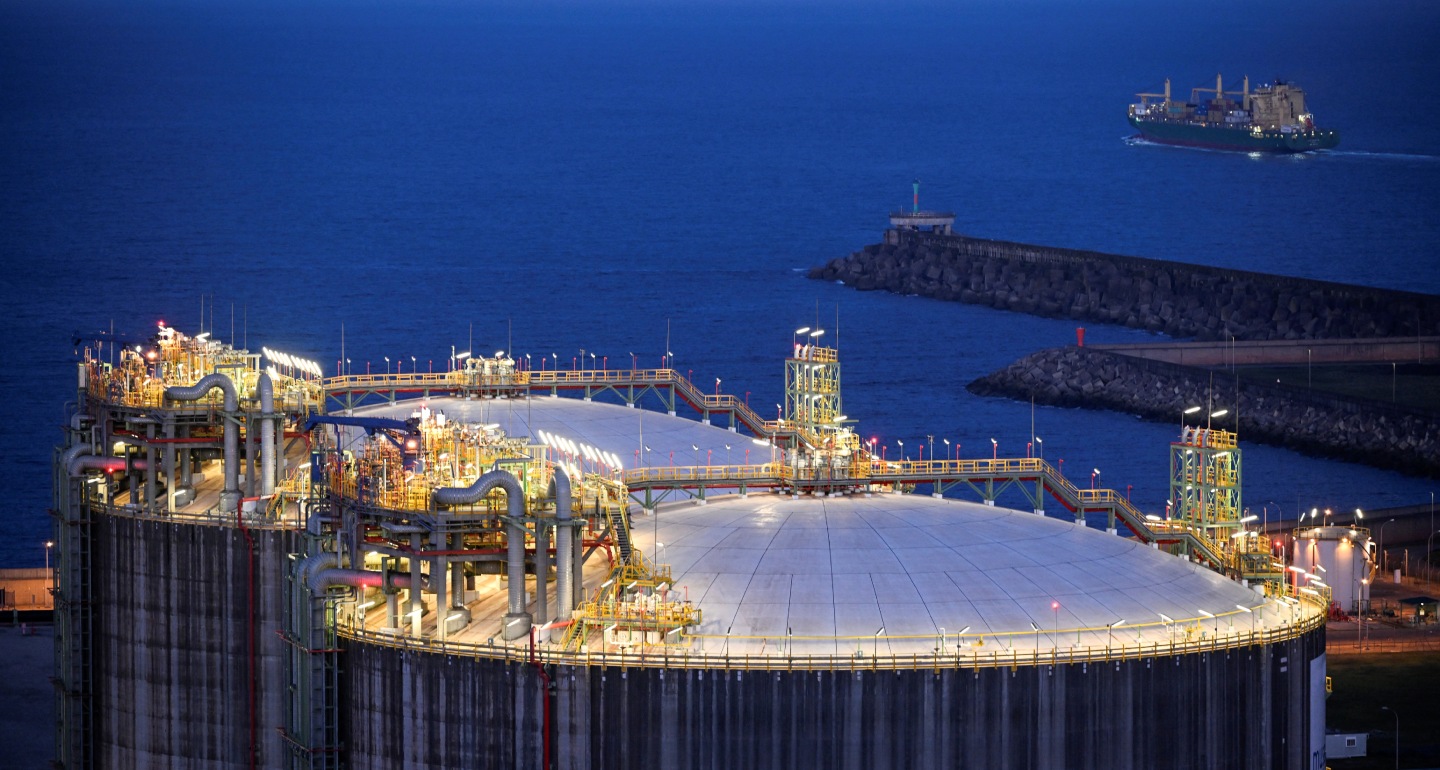
The future trajectory of the U.S.-Iran war remains uncertain, but its impact on global energy trade flows and ties will be far-reaching. Moscow is likely to become a key beneficiary of these changes; the crisis in the Gulf also strengthens Russia’s hand in its relationships with China and India, where advantages might prove more durable.

Sergey Vakulenko
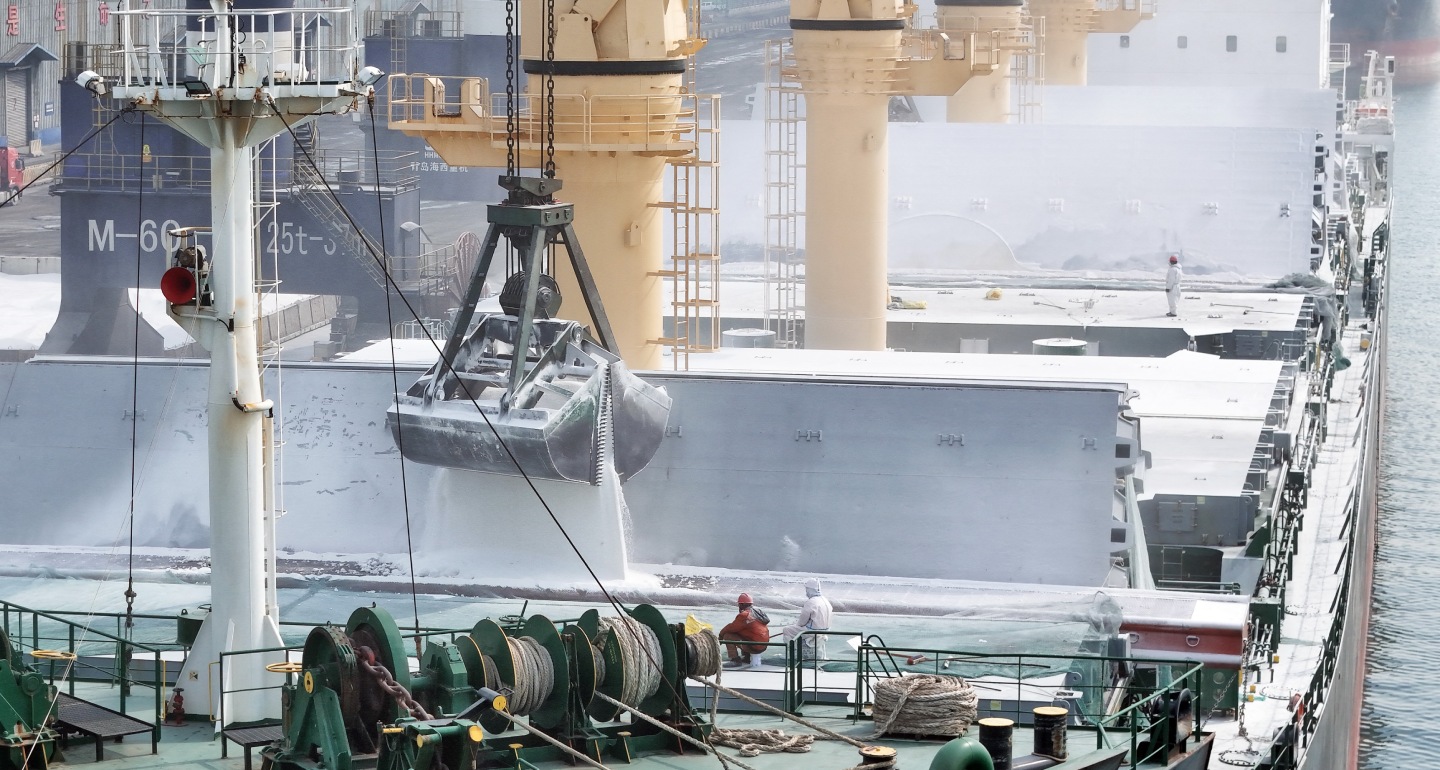
The Kremlin expects to not only profit from rising fertilizer prices but also exact revenge for the collapse of the 2023 grain deal.
Alexandra Prokopenko
The current U.S. indifference to human rights means Astana no longer has any incentive to refuse extradition requests from its authoritarian neighbors—including Russia.

Temur Umarov
Most of Moscow’s military resources are tied up in Ukraine, while Beijing’s foreign policy prioritizes economic ties and avoids direct conflict.

Alexander Gabuev, Temur Umarov
With the White House only interested in economic dealmaking, Georgia finds itself eclipsed by what Armenia and Azerbaijan can offer.

Bashir Kitachaev