

Commentary
Richard Youngs
{
  "authors": [
    "Richard Youngs"
  ],
  "type": "commentary",
  "blog": "Strategic Europe",
  "centerAffiliationAll": "dc",
  "centers": [
    "Carnegie Endowment for International Peace",
    "Carnegie Europe"
  ],
  "englishNewsletterAll": "democracy",
  "nonEnglishNewsletterAll": "",
  "primaryCenter": "Carnegie Europe",
  "programAffiliation": "DCG",
  "programs": [
    "Democracy, Conflict, and Governance"
  ],
  "projects": [],
  "regions": [
    "Europe",
    "Western Europe"
  ],
  "topics": [
    "EU",
    "Foreign Policy"
  ]
}
Source: Getty
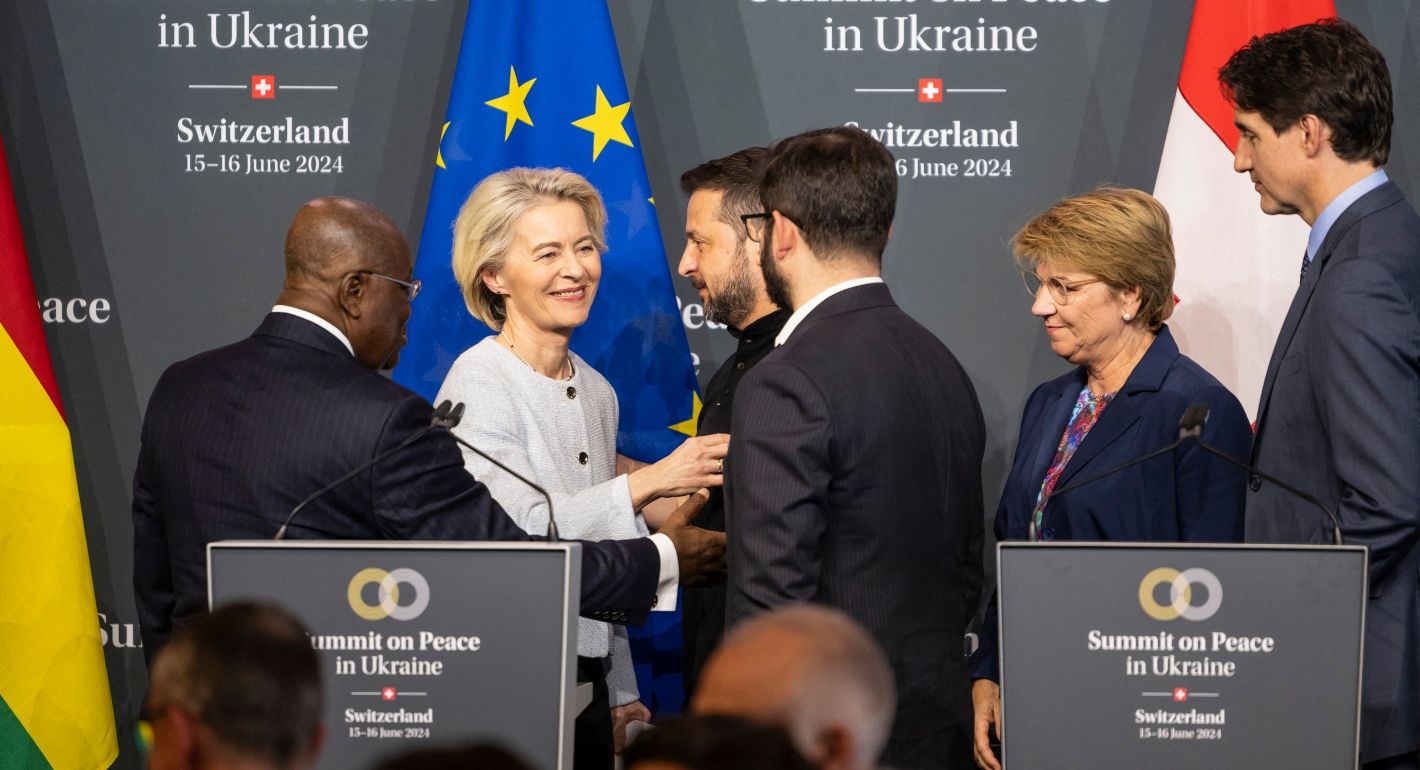
The EU has vowed to be more receptive of its partners’ needs and concerns. To ensure the “listening to others” mantra does not become a performative quick fix, the union must clarify how this commitment fits with its desire to exert geopolitical power.
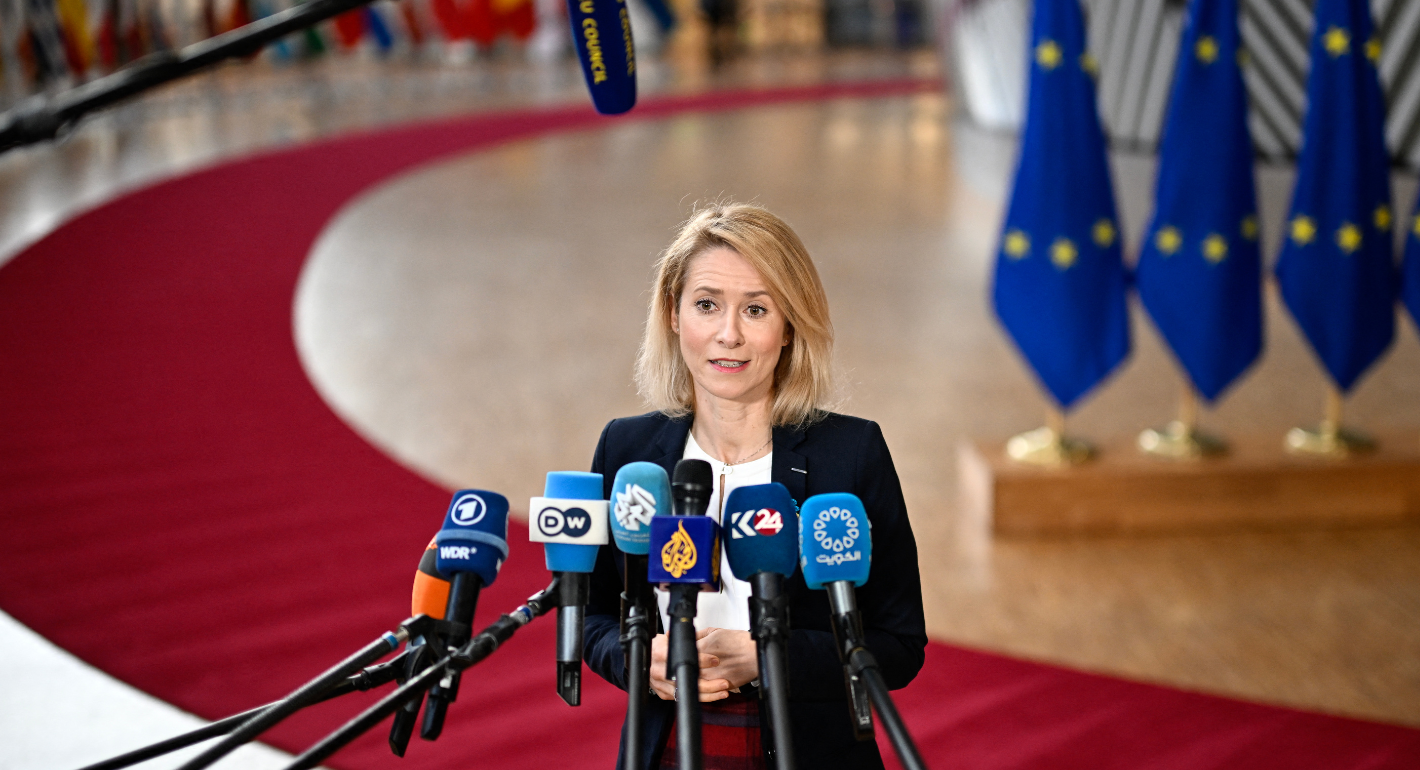
A bold and prominent commitment to “listen to others” has embedded itself at the heart of European foreign policy. The incoming Commission’s political guidelines say it is vital for the EU “to listen and respond better to the concerns of [its] partners.” In her confirmation hearing, the new EU High Representative Kaja Kallas said her overarching priority will be to “listen better” to other powers.
The “listening to others” narrative is not entirely new but it has recently become more high-profile and an ostensibly more defining pillar of European foreign policies. It is a mantra that commands consensus among European decisionmakers, and op-eds, think-tank reports and academic articles also ritually repeat it. Indeed, it would be almost impossible to disagree with such a benign sentiment.
However, this now supposedly defining principle of EU foreign policy raises more issues than it resolves. It risks becoming almost a substitute for well-defined strategy because it is imprecise, overly passive, and fails to address the thorniest challenges facing European foreign policy.
The key issue is for the EU and European governments to work out how to combine their commitment to listen more to others with their core strategic interests. If a realpolitik hope is that taking on board others’ demands somehow buys the EU geopolitical leverage and reciprocity, this assumption is surely questionable and perhaps even naïve.
If, as the now-standard critique runs, listening to local voices is necessary in order to “decolonize” European foreign policies, it is not yet clear how this might realistically work in the current fraught global context. It feels like almost the inverse of the hard power, self-interest, and strategic autonomy to which European leaders also lay claim. The EU risks sowing confusion when it promises to be led by others’ concerns in one breath and then to set its policies with more self-regarding autonomy in the next. The EU can hardly have both these things.
None of the leaders who have made the listening vow have laid out how it would translate into a policy agenda. It is doubtful that the EU really needs new listening initiatives to know what its partners want from it in key policy areas. The EU and European governments already have huge numbers of channels for hearing the demands and concerns of their partners around the world. Hundreds of exercises—both official and analytical—have been carried out in recent years to detail other powers’ views of EU policies.
The main tensions in EU relations with other powers do not result from the union not listening enough. This is especially true with regard to how the EU and member states spend their aid and financial resources around the world. The trend in development aid has been toward consulting with local actors for over a decade. The injunction to “listen to local voices” tells European donors little that they have not already been deliberating for some years.
Perhaps most crucially, listening to others is unlikely to bring much clarity to EU decisionmaking but rather reveal a cacophony of contrasting views and expectations of European policies. Local voices will convey to the EU a full range of opinions, and the mantra does little to specify how and on what grounds the union decides which voices it takes on board.
A key divide is between listening to governments and listening to nongovernment actors. If the EU’s priority is to listen to governments, this would in many cases mean being ready to compromise core European strategic aims, drop any pretense at supporting democratic norms and human rights, and downgrade climate aims.
Conversely, if the listening to others policy means taking on board the views of civil society actors, then many of these will want the EU to take more principled stances on democracy, human rights, and the climate agenda and be more willing to break off their security, migration-control, and commercial cooperation with governments. The EU cannot take on board both these sets of voices.
In the realm of EU aid, the many forums and initiatives of engagement with local actors routinely reveal that most of these want fairly predictable things from the EU: more money, with fewer conditions attached, for longer periods of time, and with funding for core operations that are not constrained by European agenda-setting. This is all well known to policymakers already and is not especially surprising.
The EU needs to show how listening to others advances its strategic interests in the current global context. Without more detail, for now the “listening to others” commitment feels like a performative quick fix for EU external action. It is not in itself a foreign-policy strategy that actually resolves much, and it rather opens a further round of questions and doubts. To add meaningful substance to current policy debates, the EU and European governments need to define how a listening Europe and a geopolitical Europe might best coexist with each other.

Senior Fellow, Democracy, Conflict, and Governance Program
Richard Youngs is a senior fellow in the Democracy, Conflict, and Governance Program, based at Carnegie Europe. He works on EU foreign policy and on issues of international democracy.
Recent Work
Richard Youngs


Richard Youngs, ed., Elena Viudes Egea, Zselyke Csaky, …
Carnegie does not take institutional positions on public policy issues; the views represented herein are those of the author(s) and do not necessarily reflect the views of Carnegie, its staff, or its trustees.
Hungarians head to the polls on April 12 for an election of national and European consequence. Three different outcomes are on the cards, each with their own implications for the EU.

Zsuzsanna Szelényi
The far right failed to win big in France’s municipal elections. But that’s not good news for the country’s left wing, which remained disunited while the broader right consolidated its momentum ahead of the 2027 presidential race.

Catherine Fieschi
Donald Trump has demanded that European allies send ships to the Strait of Hormuz while his war of choice in Iran rages on. He has constantly berated NATO while the alliance’s secretary-general has emphatically supported him.

Rym Momtaz, ed.
The EU is structurally incapable of reacting to today’s foreign policy crises. The union must fold the EEAS into the European Commission and create a security council better prepared to take action on the global stage.

Stefan Lehne
The war in Ukraine is costing Russia its leverage overseas. Across the South Caucasus and Middle East, this presents an opportunity for Europe to pick up the pieces and claim its own sphere of influence.


William Dixon, Maksym Beznosiuk